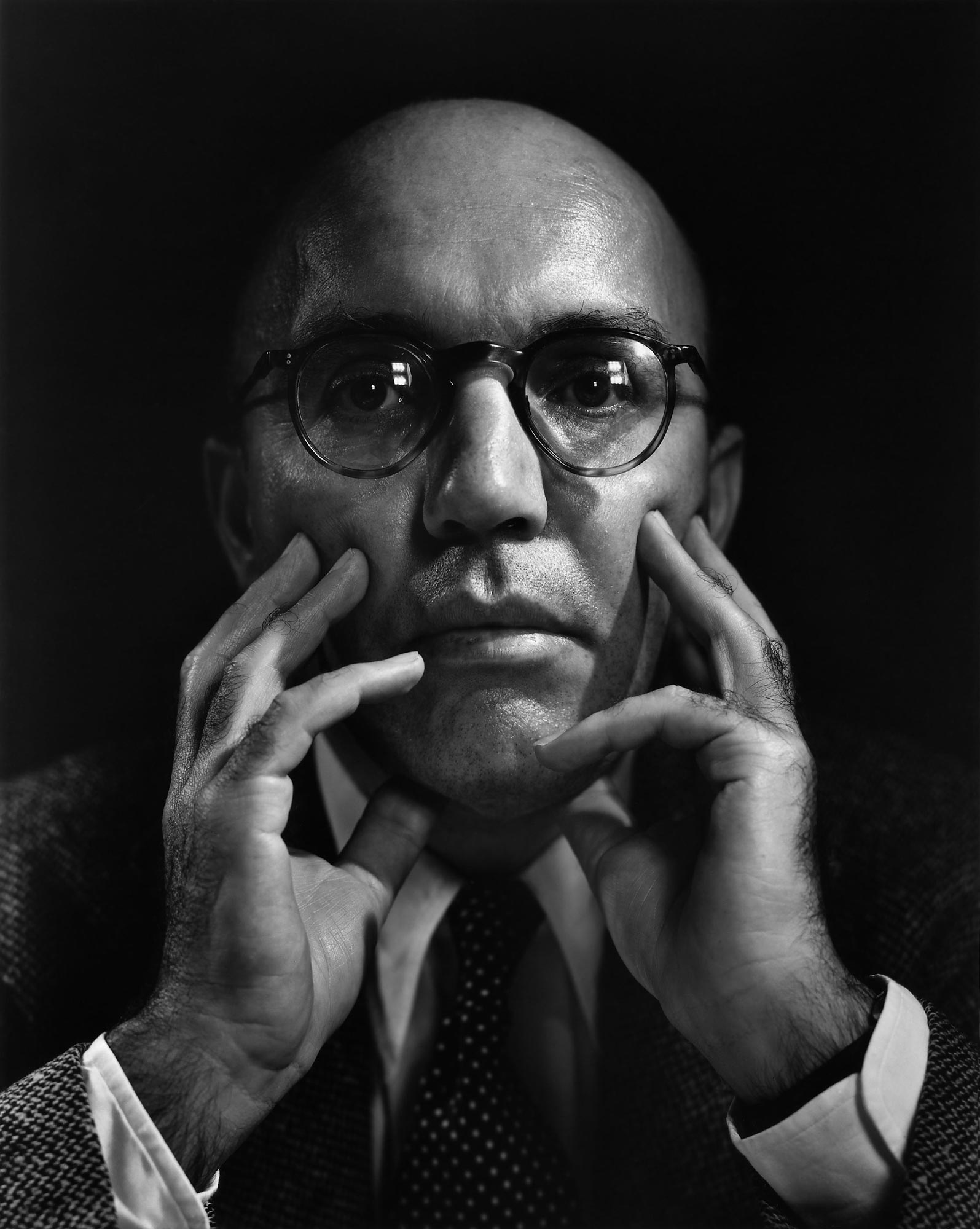
Kurt Weill (1900–1950) created music that reshaped what theater and opera could be. Rising to prominence in Weimar Germany, he fused opera, cabaret, and popular song into bold, genre-defying works that spoke directly to contemporary life.
Deeply committed to the idea of a new kind of opera—one that belonged to the people, not just the elite—Weill sought to break down barriers between high art and popular culture. Forced to flee Nazi Germany in 1933, he eventually emigrated to the United States, where he found a new voice on Broadway, continuing to write accessible, dramatically compelling music for wide audiences. His work mattered then for its fearless critique of power, greed, and society; it matters now because those forces remain. Instantly engaging yet richly complex, Weill’s music continues to captivate, challenge, and endure.
KURT WEILL

JACQUES BREL
Jacques Brel (1929–1978) transformed the art of song into something fiercely theatrical and profoundly human. Born in Belgium, he rose to prominence in Paris, rejecting conventional pop in favor of deeply expressive, character-driven chansons. Brel wrote and performed with uncompromising intensity, inhabiting each song as a fully realized drama—populated by lovers, dreamers, outcasts, and fools. His work mattered then for its emotional honesty and defiance of superficiality, challenging audiences to confront love, aging, failure, and longing without sentimentality. It matters now for the same reason. In a world often dominated by distraction, Brel’s songs demand attention, presence, and feeling. By blending poetry, storytelling, and performance, he redefined what a singer could be—proving that music can be as raw, fearless, and revealing as life itself.